Air Quality Tips & Guides

Expert advice on maintaining healthy indoor air and choosing the right eco-friendly solutions

Latest Articles

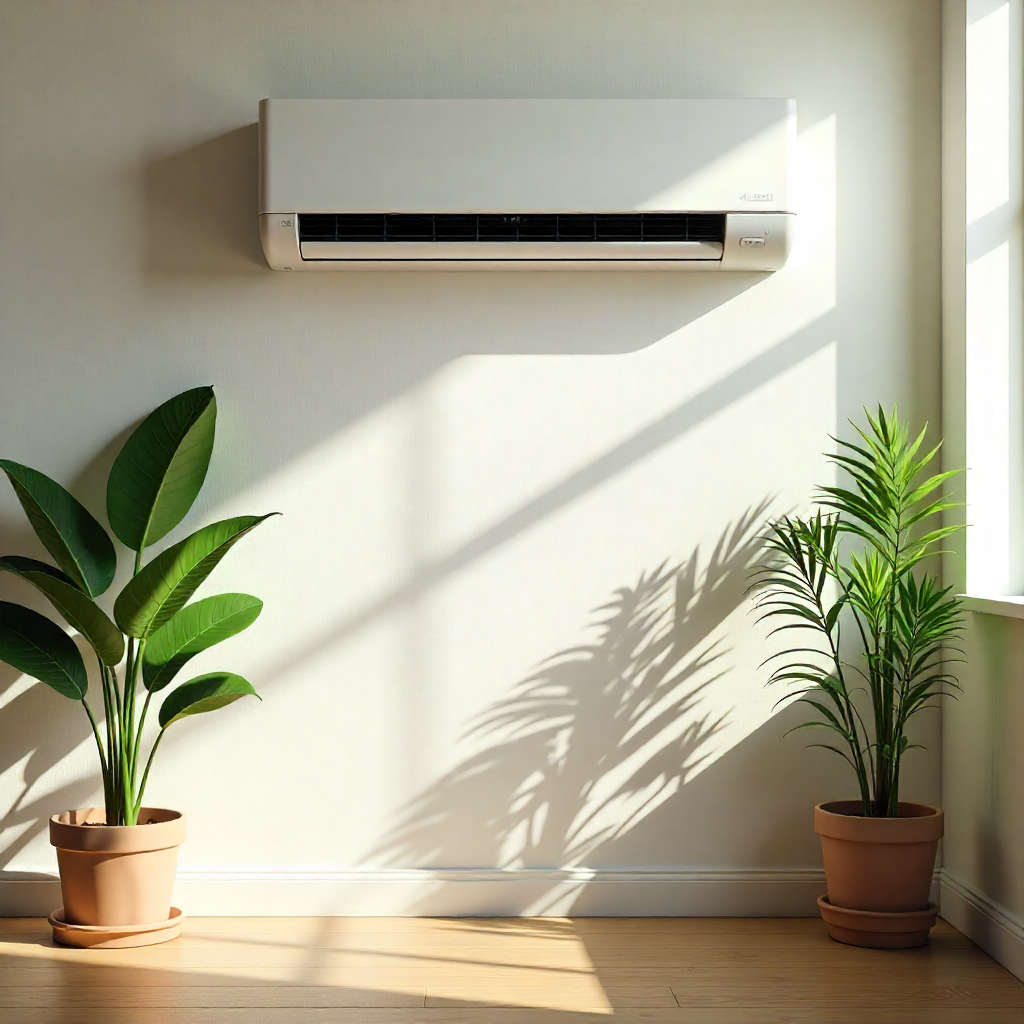
Guide to choosing eco-friendly air conditioning system

How to Choose an Eco-Friendly AC System

Selecting the right air conditioning system for your home or office involves considering several important factors. Energy efficiency, environmental impact, and air quality features should all play a role in your decision. This comprehensive guide walks you through the key considerations when choosing an eco-friendly AC system that meets your needs while protecting the environment.

Start by assessing your space requirements. Calculate the square footage of the area you need to cool, and consider factors like ceiling height, insulation quality, and sun exposure. These elements will help determine the appropriate capacity for your system. Look for Energy Star certified units, which meet strict efficiency standards and can reduce energy consumption by up to 40% compared to standard models.

Read Full Article

Importance of clean indoor air for health and wellness

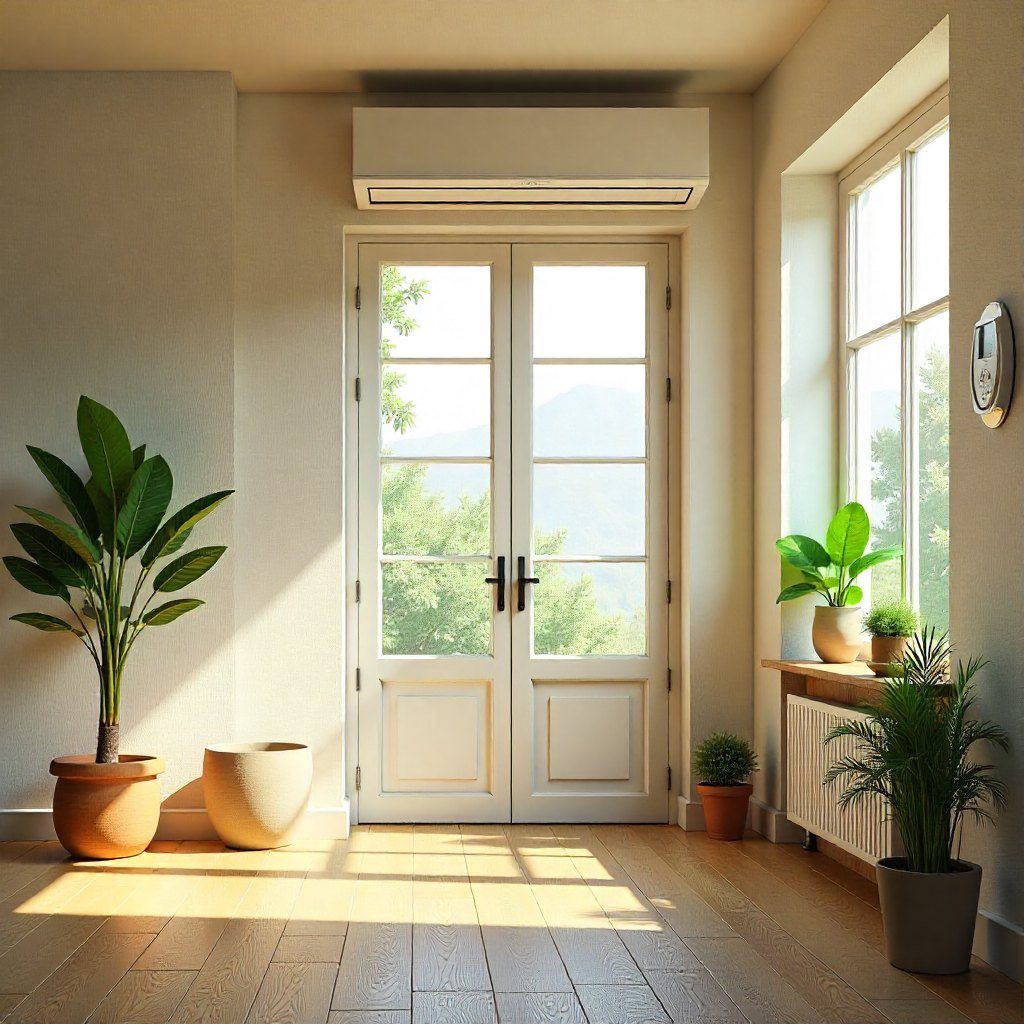
Why Clean Air is Essential for Health

Indoor air quality significantly impacts our health and well-being. Many people spend the majority of their time indoors, making it crucial to ensure the air we breathe is clean and free from harmful pollutants. Poor indoor air quality can lead to various health issues, including respiratory problems, allergies, and reduced cognitive function.

Common indoor air pollutants include dust, pollen, pet dander, mold spores, volatile organic compounds (VOCs), and other particulate matter. These contaminants can accumulate in enclosed spaces, especially in modern, well-insulated buildings. An effective air conditioning system with advanced filtration can significantly reduce these pollutants, creating a healthier living and working environment.

Read Full Article
Maintenance tips for air conditioning systems

Maintaining Your AC System for Optimal Performance

Regular maintenance is essential for keeping your air conditioning system running efficiently and effectively. A well-maintained system not only provides better air quality but also operates more efficiently, reducing energy costs and extending the lifespan of your equipment. This article covers essential maintenance tasks you can perform yourself and when to call in professionals.

Basic maintenance includes regularly changing or cleaning air filters, keeping outdoor units clear of debris, and ensuring proper airflow around the system. Schedule professional maintenance at least once a year to check refrigerant levels, clean coils, inspect electrical connections, and verify system performance. These steps help maintain optimal efficiency and air quality while preventing costly repairs.

Read Full Article
Energy efficiency benefits of modern air conditioning

Understanding Energy Efficiency Ratings

Energy efficiency ratings help consumers understand how efficiently an air conditioning system uses electricity. The Seasonal Energy Efficiency Ratio (SEER) is the most common rating for residential systems, with higher numbers indicating better efficiency. Modern eco-friendly systems typically have SEER ratings of 16 or higher, compared to older systems that may have ratings as low as 8 or 10.

Investing in a high-efficiency system can result in significant long-term savings on energy bills. While the initial cost may be higher, the reduced operating costs over the system's lifetime often make it a wise investment. Additionally, more efficient systems typically have better environmental credentials, using less electricity and reducing your carbon footprint.

Read Full Article
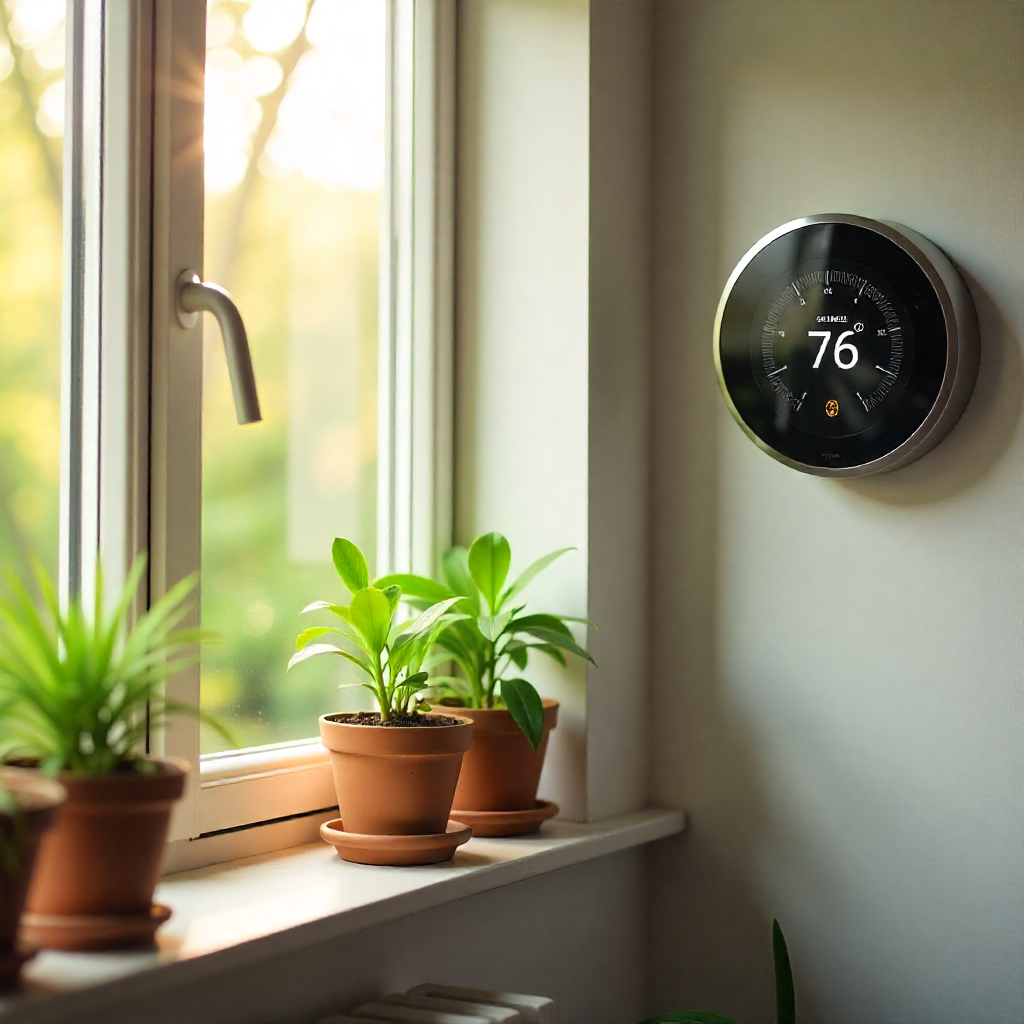
Smart home integration with air conditioning systems

Smart Home Integration for Climate Control

Modern air conditioning systems offer advanced smart home integration capabilities that enhance convenience and efficiency. Wi-Fi enabled systems allow you to control your climate remotely through smartphone apps, set schedules, and monitor energy usage. Integration with popular smart home platforms like Amazon Alexa, Google Home, and Apple HomeKit provides voice control and automation options.

Smart features can help optimize energy usage by learning your preferences and adjusting settings automatically. Some systems can detect when you're away and adjust accordingly, while others provide detailed energy consumption reports. These technologies make it easier than ever to maintain comfortable indoor temperatures while minimizing energy waste.

Read Full Article

Indoor Air Quality Calculator

Use this calculator to determine the recommended air conditioning capacity for your space based on room size and occupancy.

Calculate Recommended AC Capacity

Quick Air Quality Tips

Change Filters Regularly

Replace or clean air filters every 1-3 months to maintain optimal air quality and system efficiency. Dirty filters reduce airflow and allow pollutants to circulate.

Ensure Proper Ventilation

Allow fresh air to circulate by opening windows when weather permits and using exhaust fans in kitchens and bathrooms to remove indoor pollutants.

Maintain Ideal Temperature

Keep indoor temperatures between 68-72°F (20-22°C) for optimal comfort and efficiency. Avoid extreme temperature settings that strain your system.

Use Houseplants

Certain houseplants can help improve indoor air quality by naturally filtering some pollutants. Combine with mechanical filtration for best results.

Control Humidity Levels

Maintain indoor humidity between 30-50% to prevent mold growth and ensure comfort. Many modern AC systems include humidity control features.

Schedule Regular Maintenance

Professional maintenance at least once a year ensures your system operates efficiently and maintains optimal air quality throughout its lifespan.